In September, Nestlé agreed to sell seven of its mainstream supplement brands, including Nature’s Bounty, Puritan’s Pride and Nuun, to the private equity firm Yellow Wood Partners for $1bn. Between them, those brands made $1.2bn in sales last year. Nestlé chose to hold on to two brands, Solgar and Pure Encapsulations, which its CEO Philipp Navratil described as premium and science-led.
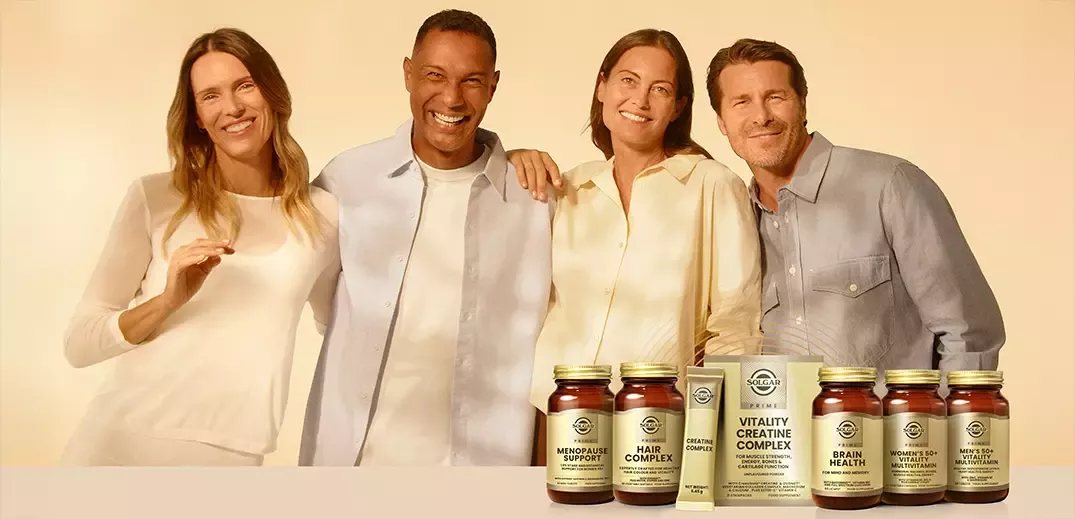
We got a better sense of where Nestlé is heading this month, when Aude Rey, who runs its premium supplement business, spoke at SupplySide Global. She said proof is now the price of entry in the category, and that shoppers’ willingness to pay more depends on it. She also named healthy longevity as the biggest trend driving the category, and Solgar has recently launched a Prime range aimed at people in midlife and beyond.
Proof is now the price of entry in the category.Aude Rey, Nestlé
Nestlé isn’t the only big name rethinking its nutrition brands. In October, Abbott announced plans to spin off its nutrition business, the home of Ensure, Similac and PediaSure, into its own listed company with around $8.5bn in annual sales. Abbott said the two businesses have different investment needs, growth profiles and innovation cycles, and it expects the split to be completed by the end of 2027.
McKinsey’s latest Future of Wellness survey of more than 10,000 consumers helps explain what these companies are chasing. It found US shoppers now rate how well a product works as highly as its price, and the biggest spenders, who make up 35% of wellness consumers but account for 55% of the money, put it ahead of price altogether.
Our read
Yellow Wood is paying a billion dollars for the half Nestlé didn’t want, so this isn’t a story about mainstream brands dying. It looks more like the market pulling apart, with value brands competing on price and reach while premium brands have to show why they cost more.
The uncomfortable place to be is in the middle, charging a premium without much to point to when a retailer or a shopper asks what they’re paying extra for.
Sources NutraIngredients on Nestlé at SupplySide · Just Food on the Yellow Wood sale · Abbott announcement · McKinsey Future of Wellness via NutraIngredients